
How to Get Onboarded on Flipkart Minutes
Introduction
The new quick commerce model will transform the shopping experience of customers when it comes to purchasing frequently used goods. Customers now expect groceries, personal care products, household items, snack foods and other commonly purchased products to get delivered within minutes. The quick commerce initiative from Flipkart named “Minutes” provides such an opportunity for brands and sellers, enabling them to reach out to customers who want faster delivery services. As per Flipkart, Minutes is meant for daily needs of customers such as groceries, beverages, personal care and household products.
It is essential for brands that wish to venture into this fast-growing channel to know about the Flipkart Minutes onboarding process. Onboarding must not be taken as setting up an account as a seller. The sellers must be ready with their business details, documentation, catalogue, inventory and fulfillment capabilities before onboarding
What Is Flipkart Minutes Seller Onboarding?
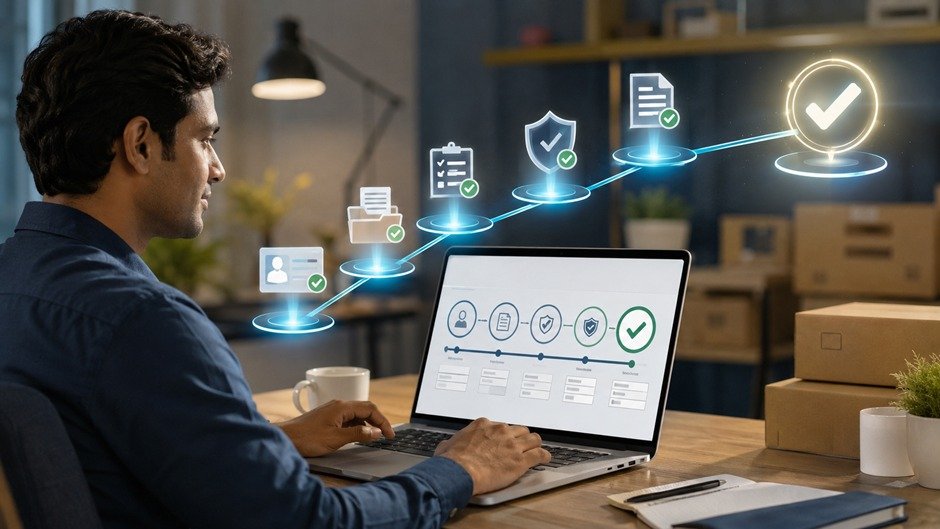
Flipkart Minutes seller onboarding is the process of getting a business, its products and relevant fulfilment operations ready to participate in Flipkart’s quick-commerce ecosystem.
The standard Flipkart seller journey involves business registration, verification, product listing and location-related information. Flipkart’s seller documentation also describes registration and location onboarding as separate parts of the marketplace process, including business verification and information such as GSTIN and dispatch locations.
For a brand targeting Minutes, the key difference is the importance of speed, local inventory availability and operational readiness. Your products need to be suitable for quick-commerce demand and supported by an efficient fulfilment setup.
Who Can Become a Flipkart Minutes Seller?
Businesses that already sell online or have established products can explore Flipkart Minutes seller onboarding if their products and operations fit the platform’s requirements and service coverage.
Before starting your Flipkart Minutes seller registration, evaluate:
- Your business and tax registration details
- Product category and eligibility
- GSTIN and PAN information
- Bank account details
- Product catalogue readiness
- Inventory availability
- Packaging and fulfilment capability
- Ability to maintain accurate stock levels
Flipkart’s official seller platform currently highlights GSTIN, address and bank details as part of its seller account creation journey.
Importantly, having a regular Flipkart seller account does not automatically mean that every product or seller is approved for Minutes. Program availability, product suitability and operational requirements can vary, so sellers should verify the current onboarding route before making commitments.
Documents Required to Sell on Flipkart Minutes
Preparing documentation before applying can reduce unnecessary delays. Depending on your business structure and category, you may need relevant KYC documents, GSTIN, PAN card, business details and bank account information.
Common information to keep ready includes:
- Business or seller name
- Mobile number and email address
- PAN details
- Valid GSTIN, where applicable
- Bank account details
- Pickup or business address
- Product information
- Brand or authorization documents, if applicable
Flipkart’s current seller registration information states that sellers need valid GST, address and bank details for account creation in applicable categories.
Always confirm the latest documentation requirements for your particular category before submitting an application.
How to Get Onboarded on Flipkart Minutes
If you are wondering how to sell on Flipkart Minutes, follow a preparation-first approach.
1. Prepare Your Seller Account
Start by ensuring your Flipkart seller account and business information are complete. Check your registered business name, GST details, address and bank information for accuracy.
2. Organize Your Product Catalogue
Prepare a clean catalogue containing product titles, descriptions, images, SKUs, pricing, attributes and category information. Accurate catalogue data helps reduce listing issues and creates a better customer experience.
3. Select Quick-Commerce-Friendly Products
Not every product needs the same fulfilment model. Focus on products that customers are likely to purchase for immediate or frequent needs, such as FMCG, groceries, personal care, household essentials, snacks and beverages, depending on category eligibility and availability.
4. Prepare Inventory and Fulfilment
Quick commerce depends heavily on stock availability. Sellers should maintain accurate inventory, avoid frequent stockouts and have a reliable replenishment process.
5. Complete the Onboarding and Verification Process
Submit the required information through the applicable Flipkart seller or partner process. Business information, products and operational details may be reviewed before approval.
6. Start Managing Listings and Orders
Once approved and activated, focus on product availability, pricing, catalogue quality, inventory management and order fulfilment. Successful quick-commerce selling requires ongoing operational discipline rather than simply getting listed.
How to Improve Your Chances of Successful Onboarding
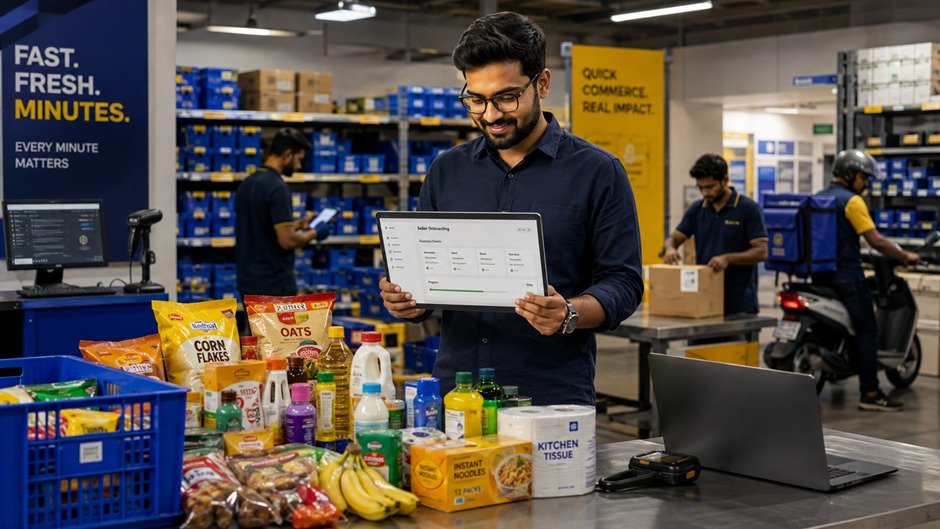
Getting approved is only the first step. Before applying, audit your catalogue and operations.
A strong Flipkart Minutes seller account setup should have:
- Accurate product information
- High-quality product images
- Correct pricing and attributes
- Sufficient inventory
- Proper packaging
- Consistent stock updates
- Clear fulfilment processes
- Complete business documentation
For brands with multiple SKUs, managing catalogue creation, inventory, pricing and marketplace operations manually can become difficult. This is where professional marketplace management can make the process more structured.
Get Expert Help With Flipkart Seller Onboarding
Want to expand your brand into quick commerce without handling every marketplace task yourself?
SalesStrive helps ecommerce brands manage marketplace operations, including seller account management, product listing and catalogue management, ecommerce SEO, advertising and order/inventory operations.
From Flipkart seller registration and catalogue preparation to ongoing account management, having an experienced ecommerce team can help you build a more organized path to marketplace growth.
Ready to explore Flipkart Minutes onboarding for your brand? Contact SalesStrive to discuss your marketplace requirements and get started with a structured onboarding strategy.
Frequently Asked Questions
1. How do I sell on Flipkart Minutes?
Start by preparing your Flipkart seller and business information, ensuring your products and documentation are ready, and following the applicable Flipkart onboarding or partner process. Approval and availability can depend on product, location and operational requirements.
2. What documents are required for Flipkart Minutes seller registration?
Common seller information includes GSTIN where applicable, PAN, business details, address and bank account information. Additional documents may be required depending on the business and product category.
3. How can I become a Flipkart Minutes seller?
Businesses can begin by establishing their Flipkart seller setup, preparing an eligible catalogue and checking the current Minutes onboarding route. Meeting basic seller requirements does not necessarily guarantee Minutes approval.
4. Is GST required to sell on Flipkart Minutes?
GST requirements depend on the applicable category and seller circumstances. Flipkart’s current seller registration information requires a valid GSTIN for applicable categories.
5. What products can I sell on Flipkart Minutes?
Flipkart Minutes focuses on everyday and quick-commerce purchases such as groceries, beverages, personal care and household essentials, although the available assortment can change by location and platform requirements.
6. How long does Flipkart Minutes onboarding take?
There is no universal timeline that applies to every seller. The duration can depend on documentation, verification, product readiness, operational requirements and the applicable onboarding process. It is better to prepare everything correctly than to focus only on speed.
Conclusion
Flipkart Minutes onboarding can give eligible brands an opportunity to participate in India’s fast-growing quick-commerce market. But successful onboarding requires more than seller registration. Documentation, catalogue quality, product suitability, inventory readiness and fulfilment operations all matter.
If your goal is to sell on Flipkart Minutes and build a sustainable marketplace presence, prepare your business before applying and treat onboarding as the beginning of your growth strategy—not the finish line.
 hello@salesstrive.in

2 Responses