
How Walmart’s Supply Chain Innovation is Reshaping Retail Delivery in 2026
Introduction
The ecommerce logistics industry is evolving faster than ever — and supply chain management has become the single biggest differentiator between brands that scale and brands that stall. In 2026, customers don’t just want products; they want same-day delivery, real-time stock visibility, and a consistent omnichannel retail experience.
Walmart has responded to this demand with a bold supply chain innovation strategy targeting three core challenges every retailer faces: product availability, last mile delivery speed, and logistics optimization.
By integrating AI-powered forecasting, warehouse automation, real-time inventory management, and a redesigned freight consolidation model, Walmart is setting a new global benchmark for retail supply chain management in the digital age.
This blog explores the key changes behind Walmart’s retail transformation 2026, the technology powering it, and the practical lessons ecommerce sellers can apply to their own ecommerce fulfillment growth strategy.
Why Supply Chain Efficiency Matters More Than Ever
Modern consumers are no longer willing to wait several days for essential products. Whether shopping online or visiting physical stores, customers expect fast delivery services, real-time inventory updates, and seamless shopping experiences.
Retailers that fail to maintain product stock availability often lose customers to competitors within seconds.
Global brands are heavily investing in:
AI-powered demand forecasting
Predicting what customers will buy before they search for it — reducing overstock and preventing stockouts
Robotic warehouse fulfilment
Automated sorting, packing, and dispatch systems that process thousands of orders per hour without human error
Dynamic inventory replenishment
Systems that auto-restock shelves and warehouses in real time based on live sales data — not manual checks
Buying pattern intelligence
Analysing seasonal trends, regional preferences, and browsing behaviour to plan stock levels months in advance
Unified online-offline commerce
Connecting physical stores, mobile apps, and ecommerce platforms into one seamless customer journey
Walmart understands that supply chain speed is no longer just an operational function — it is now a major competitive advantage in the modern retail industry.
By improving how products are transported and consolidated across distribution networks, Walmart aims to create a smoother flow of goods while minimizing delays and unnecessary logistics costs.
Walmart’s New Supply Chain Strategy Explained
One of the biggest highlights of Walmart’s latest initiative is its improved freight consolidation system. Instead of suppliers managing fragmented shipments independently, Walmart is introducing a more connected logistics process that improves coordination between suppliers, warehouses, and transportation partners.
Enhanced retail supply chain model helps:
Cut order-to-door timelines significantly
Smarter routing and consolidated freight reduce the time between a customer’s click and their delivery
Keep shelves stocked automatically
AI-triggered restocking ensures high-demand products never go out of stock — online or in-store
Eliminate wasted spend in freight
Consolidated shipments from multiple suppliers reduce empty truck runs and redundant transportation legs
Process more orders with fewer bottlenecks
Redesigned distribution centre workflows allow higher order volumes to move through without slowdowns
Deliver products before demand spikes
Predictive models position stock closer to likely buyers — so products are ready at the right location, not just the right time
Handle online and offline orders from one system
A unified fulfilment backend removes the separation between ecommerce and store inventory — one pool, smarter allocation
The company is also collaborating with approved logistics providers to streamline inbound transportation and improve supply chain visibility across multiple channels.
For suppliers, this creates a more organized and predictable distribution process. For customers, it means faster product availability both online and in stores.
The Role of AI and Automation in Retail Logistics
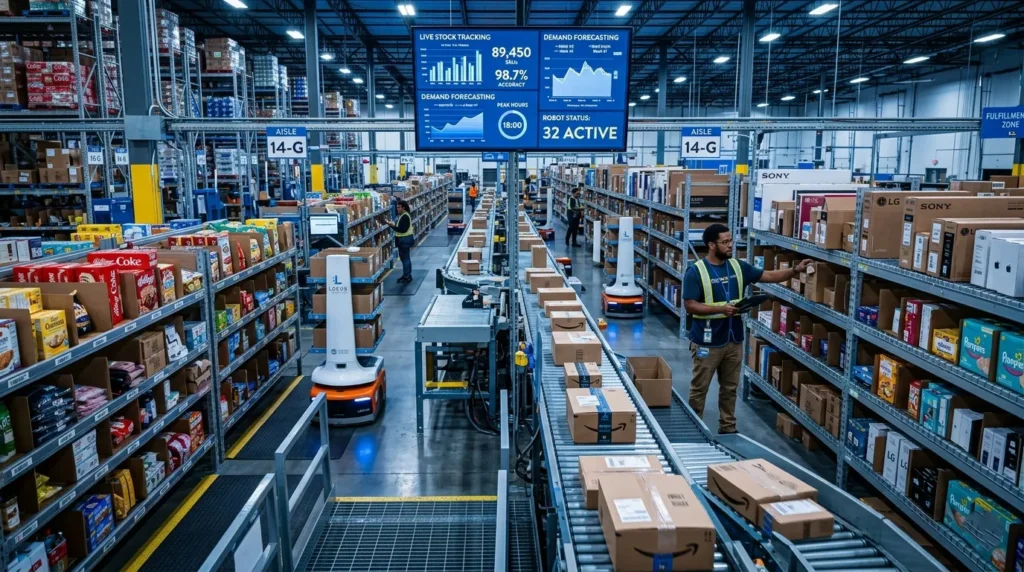
Walmart continues to invest heavily in:
Machine learning for smarter buying decisions
AI systems study millions of past transactions to recommend what to buy, when to buy, and in what quantity
Autonmous robots inside fulfilment centres
Floor robots navigate warehouse aisles independently, picking and moving products with speed and precision that human teams can’t match
End-to-end process automation
From receiving supplier goods to dispatching customer orders — every step in between is increasingly automated to remove manual delays
Anticipating demand weeks before it happens
Forecasting engines process weather data, local events, and shopping trends to pre-position stock before demand hits
Live product location tracking across the network
Every item is tracked from supplier dock to customer door — giving both Walmart and the buyer full visibility at every stage
These technologies help Walmart improve operational performance while delivering a better customer experience.
Predicting Customer Demand More Accurately
AI-powered forecasting systems analyze customer purchasing behavior, seasonal demand, and shopping trends to reduce stock shortages and improve inventory optimization.
Improving Warehouse Operations
Automation tools and robotics accelerate product sorting, packaging, and inventory movement inside fulfillment centers, increasing overall warehouse productivity.
Faster Ecommerce Deliveries
Advanced transportation systems optimize delivery routes and reduce fulfillment timelines, helping Walmart compete in the growing same-day delivery market.
Reducing Operational Waste
Real-time tracking minimizes overstocking, shipping delays, and unnecessary transportation expenses, improving overall supply chain efficiency.
By combining data intelligence with logistics automation, Walmart is creating a more scalable and resilient retail ecosystem.
How Customers Benefit from Walmart’s Logistics Improvements
Customers are the biggest beneficiaries of Walmart’s enhanced ecommerce logistics network.
Faster Product Availability
Popular products can be restocked more efficiently, reducing out-of-stock situations and improving customer convenience.
Better Online Shopping Experience
Improved fulfillment networks support quicker ecommerce deliveries and smoother order processing.
Affordable Product Pricing
Efficient logistics operations help Walmart maintain competitive pricing despite rising transportation and operational costs.
Seamless Omnichannel Retail Experience
Customers can enjoy a consistent experience across online stores, mobile apps, and physical retail locations.
This customer-first strategy is one reason Walmart continues to remain one of the world’s leading retail companies.
What Ecommerce Businesses Can Learn from Walmart
Walmart’s 2026 supply chain transformation offers valuable lessons for ecommerce brands, retailers, and online marketplace sellers.
Invest in Smart Logistics Systems
Efficient delivery operations improve customer retention and brand reputation.
Use AI for Inventory Planning
Predictive analytics reduces inventory errors and improves stock management.
Build Strong Supplier Relationships
Supplier collaboration helps businesses streamline fulfillment operations and reduce delays.
Prioritize Customer Convenience
Modern consumers value speed, reliability, and transparency more than ever before.
Businesses that adopt these modern ecommerce strategies are more likely to scale successfully in today’s competitive digital marketplace.
The Future of Retail Supply Chain Management
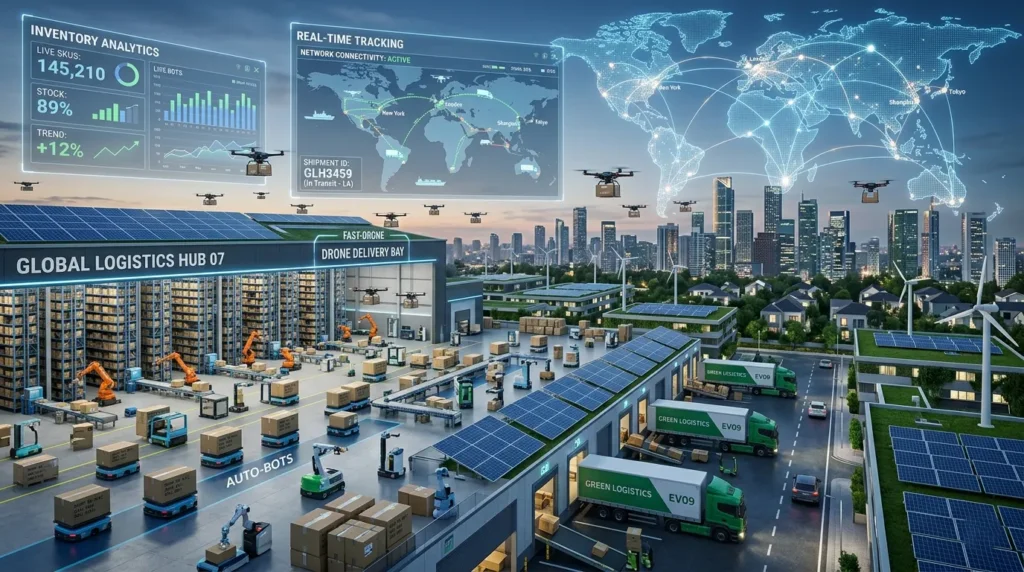
Retail logistics is evolving rapidly. Companies are now competing not only through product quality and pricing but also through:
- delivery speed
- operational efficiency
- ecommerce fulfillment performance
- supply chain transparency
- AI-driven retail technology
Walmart’s latest supply chain improvements show how global retailers are adapting to the future of ecommerce by combining:
- AI-powered retail operations
- smart logistics systems
- warehouse automation
- real-time inventory management
- faster fulfillment strategies
As customer expectations continue to rise, supply chain technology will remain one of the most important growth drivers in the global retail industry.
Frequently Asked Questions
1. What is Walmart’s new supply chain strategy in 2026?
Walmart is improving freight consolidation, logistics coordination, and inventory management to deliver products faster and more efficiently.
2. How does Walmart use AI in supply chain management?
Walmart uses AI for demand forecasting, inventory optimization, warehouse automation, and delivery route planning.
3. Why is supply chain efficiency important in retail?
Efficient supply chains help businesses reduce delays, improve product availability, lower costs, and increase customer satisfaction.
4. How does Walmart maintain low prices?
By optimizing logistics and reducing operational inefficiencies, Walmart can minimize costs and continue offering competitive pricing.
5. What can ecommerce businesses learn from Walmart?
Businesses can learn the importance of automation, supplier collaboration, inventory visibility, and customer-focused logistics.
6. How will supply chain technology shape the future of ecommerce?
AI, automation, and smart logistics systems will improve delivery speed, operational efficiency, and personalized shopping experiences.
Conclusion
Walmart’s latest supply chain innovation strategy highlights how modern retail success depends on speed, technology, and operational intelligence. As ecommerce continues to evolve, companies that prioritize logistics optimization and AI-driven retail solutions will gain a major advantage in customer satisfaction and long-term business growth.
For businesses looking to improve their ecommerce performance, Walmart’s strategy serves as a strong example of how advanced supply chain management can drive scalability, efficiency, and profitability in the digital retail era.